
The retail industry in Senegal operates within one of West Africa’s important commercial economies, combining urban consumer demand, traditional markets, agricultural production, manufacturing and international trade. Dakar provides the country’s principal retail and business centre, while Thiès, Saint-Louis, Touba, Kaolack and Ziguinchor contribute distinctive regional commercial activities. Senegal’s Atlantic coastline, established trading relationships and position within Francophone West Africa connect domestic businesses with international manufacturers, distributors and consumer markets.

Senegal’s economy offers a particularly interesting combination of industries supporting modern retail. Fishing and seafood processing connect coastal communities with domestic and international food markets, while groundnut production, textiles, packaging, construction materials and food manufacturing contribute to industrial activity. Traditional markets remain central to everyday commerce, operating alongside supermarkets, shopping centres, independent retailers and emerging digital businesses. International trade adds another dimension, with imported consumer products and industrial materials moving through ports and distribution networks before reaching businesses throughout the country.
For Global Retail Directory, Senegal represents a commercial ecosystem where Retail Installation Companies, Manufacturers & Suppliers, Transport & Logistics providers and Iconic Brands contribute to interconnected domestic and international supply chains. Manufacturers require reliable distribution partners, retailers need professional equipment and installation services, and Senegalese brands can benefit from becoming more discoverable beyond their existing markets. Understanding these relationships reveals opportunities for local businesses and international companies seeking commercial partners within West Africa.
Dakar Connects Traditional Commerce with Modern Retail Development
Dakar is Senegal’s largest commercial centre and an important business hub within Francophone West Africa. The metropolitan area combines corporate offices, financial services, shopping destinations, supermarkets, independent retailers and traditional markets. Commercial activity extends through districts such as Plateau, Almadies, Mermoz and other urban areas, creating different retail environments serving residents, businesses and international visitors.
The city’s retail economy reflects the coexistence of established trading traditions and modern consumer expectations. Traditional markets remain important for clothing, food, household products and independent commerce, while organised retailers provide structured shopping environments with wider product selections. International brands operate alongside Senegalese businesses, creating demand for commercial properties, distribution services and reliable local suppliers.
For Retail Installation Companies, Dakar creates opportunities involving store openings, shopfitting, commercial furniture, lighting, signage, refrigeration and technology installations. International retailers entering Senegal may require local contractors capable of delivering established brand standards, while domestic businesses need equipment appropriate to their operating conditions. Manufacturers and logistics providers supporting these projects contribute to the wider commercial economy behind Dakar’s retail environments.
Traditional Markets Remain Central to Senegalese Commerce
Traditional markets occupy an important position within Senegal’s commercial culture. Dakar’s Sandaga market area and other established trading districts demonstrate how independent retailers, wholesalers and specialist merchants contribute to consumer activity. Markets provide commercial opportunities for businesses selling clothing, textiles, food, household products and other everyday goods.
These environments often operate differently from modern shopping centres. Retailers may depend on established supplier relationships, flexible inventory arrangements and direct customer interaction rather than centralised purchasing systems. Products can move through several wholesalers and distributors before reaching individual traders, creating commercial networks that are not always visible through conventional retail statistics.
For manufacturers and suppliers, traditional commerce remains an important route to market. Domestic textile producers, food processors and consumer-product businesses can reach customers through wholesale networks, while transport companies support deliveries between warehouses and trading districts. As businesses develop, some may expand into permanent shops, organised distribution or e-commerce, creating additional demand for packaging, technology and logistics services.
Senegal’s Fishing Industry Connects Coastal Production with International Retail
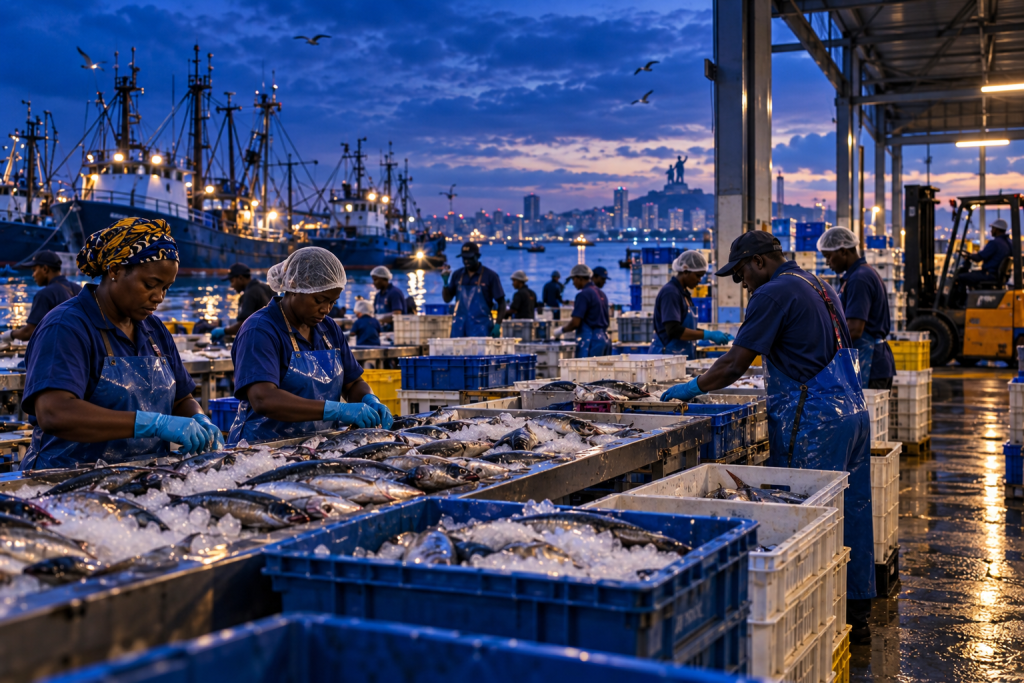
Fishing represents one of Senegal’s distinctive economic activities, supported by coastal communities and established seafood markets. Fishing operations contribute to domestic food supply while also supporting processing, refrigeration and export activities. Dakar and other coastal locations provide connections between fishing businesses, processors, wholesalers and commercial customers.
The journey from fishing vessel to retail customer requires careful coordination. Seafood may need sorting, cleaning, processing, freezing and packaging before reaching domestic markets or international buyers. Suitable cold storage and transportation are particularly important because product quality depends on maintaining appropriate conditions throughout handling and distribution.
For Manufacturers & Suppliers, the fishing industry creates opportunities involving refrigeration equipment, packaging materials, processing machinery and specialist industrial services. Transport & Logistics companies support refrigerated distribution, freight forwarding and international shipments. These activities demonstrate how a traditional coastal industry contributes to a wider commercial network connecting production with supermarkets, restaurants and international food markets.
Groundnut Production Supports Senegal’s Food Manufacturing Industry
Groundnuts have a longstanding place within Senegal’s agricultural and industrial economy. Production connects rural farming communities with traders, processors and manufacturers producing food ingredients, edible oils and other products. Agricultural activity is particularly important in central regions where farming contributes to local employment and commercial trade.
Processing creates opportunities to move beyond selling agricultural commodities. Groundnuts can be cleaned, graded, processed and packaged for different commercial uses, while edible oil manufacturing requires specialist equipment and quality-control systems. Finished products may reach domestic supermarkets, independent retailers, food-service businesses and international customers depending on production capabilities and market requirements.
For Senegalese manufacturers, the wider opportunity involves developing reliable production and stronger consumer brands. Packaging, product presentation and distribution can help businesses capture additional value from domestic agricultural resources. Equipment suppliers, packaging manufacturers and logistics providers all contribute to this process, connecting farming with the broader retail economy.
Senegalese Textiles and Fashion Create Opportunities for Local Brands
Senegal has a distinctive fashion and textile culture, with clothing, tailoring and fabric trading playing important roles within domestic commerce. Dakar’s fashion businesses combine traditional styles with contemporary design, creating products for local consumers, regional markets and international customers interested in Senegalese craftsmanship.
The commercial opportunities extend beyond individual garments. Textile businesses require fabrics, cutting equipment, sewing machinery, finishing services and packaging, while larger production programmes depend on consistent sizing, quality and delivery. Independent designers may begin through small workshops before developing more organised manufacturing and distribution arrangements.
For Iconic Brands, Senegalese fashion offers opportunities to develop recognisable commercial identities rooted in local design and craftsmanship. International visibility can help designers and manufacturers reach retailers, distributors and commercial partners beyond Senegal. As brands grow, they may require professional retail interiors, warehousing, packaging and logistics, connecting fashion with several other industries represented within Global Retail Directory.
Thiès Supports Manufacturing and Regional Distribution
Thiès occupies an important position within Senegal’s commercial geography because of its proximity to Dakar and connections with inland regions. The city supports manufacturing, trade, transport and regional consumer activity, contributing to the movement of goods between the capital and other parts of the country.
Industrial development requires more than production facilities. Manufacturers need access to materials, machinery, packaging, maintenance services and transportation, while finished products require distribution to wholesalers and retailers. Businesses operating outside Dakar may benefit from regional suppliers capable of providing reliable services without depending entirely on the capital.
For retailers and logistics providers, Thiès represents an important regional market and distribution location. Warehousing, road transportation and commercial services can support businesses serving several destinations, while manufacturers may supply products to customers throughout Senegal. These relationships demonstrate how regional industrial centres contribute to national retail development.
Dakar’s Port Connects Senegal with International Supply Chains
The Port of Dakar is an important component of Senegal’s international trade infrastructure. Its Atlantic location provides maritime connections with Europe, other African markets and international shipping networks. Imported consumer goods, industrial materials, machinery and commercial equipment move through port operations before entering domestic distribution systems.
For retailers, international shipping influences product availability and sourcing costs. Furniture, electronics, clothing, packaging materials and specialist equipment may arrive from overseas manufacturers before being transported to warehouses and stores. Exporters follow the reverse process, requiring suitable documentation, freight arrangements and coordination between producers and logistics companies.
This creates opportunities for Transport & Logistics businesses specialising in freight forwarding, customs services, container transportation and warehousing. International retailers entering Senegal may require local distribution partners, while Senegalese manufacturers exporting products need reliable access to shipping networks. The port therefore connects domestic retail and manufacturing with international commerce.
Senegal’s Position Supports Trade with Landlocked West African Markets
Senegal’s geographic position creates commercial connections extending beyond its domestic consumer market. Road and rail corridors link the country with neighbouring economies, while Dakar provides access to international maritime trade for businesses operating inland.
Mali is particularly relevant because it relies on regional transport corridors to access overseas markets. Goods moving between Dakar and inland destinations can include consumer products, food, machinery and industrial materials. These movements require coordination between freight companies, warehouses, customs services and commercial customers operating across national borders.
For Senegalese logistics providers, regional trade creates opportunities involving long-distance transportation, cargo consolidation and international distribution. Manufacturers can also develop relationships with buyers in neighbouring markets, potentially expanding beyond Senegal’s domestic demand. The country’s commercial importance therefore includes its role in connecting coastal infrastructure with inland West African economies.
Tourism Creates Demand for Retail and Commercial Interiors
Senegal’s tourism industry contributes to commercial activity through destinations including Dakar, Saly, Saint-Louis and coastal resort areas. Hotels, restaurants, cultural attractions and specialist retailers serve domestic and international visitors, creating demand for consumer products and commercial services.
Tourism can introduce Senegalese products to international customers. Textiles, fashion, crafts, food and locally manufactured goods may reach visitors through shops, markets and hospitality businesses. Professional packaging and product presentation can help businesses develop relationships with customers who may continue purchasing after returning home.
The hospitality industry also creates opportunities for manufacturers and installation companies. Hotels and restaurants require furniture, lighting, signage, refrigeration, commercial equipment and ongoing maintenance. Local joinery businesses, metal fabricators and specialist contractors can contribute to these projects, while logistics providers coordinate deliveries of domestic and imported equipment.
Food Processing and Packaging Support Senegalese Consumer Brands
Senegal’s food manufacturing industry connects agricultural production with supermarkets, independent retailers, restaurants and regional distribution networks. Businesses process cereals, beverages, seafood, oils and other products intended for domestic consumption or export.
Food manufacturing depends on suitable processing equipment, packaging, quality control and storage. Manufacturers supplying organised retailers need consistent products, appropriate labelling and reliable delivery schedules. Packaging also influences how products are presented to consumers and protected during transportation.
For Senegalese Manufacturers & Suppliers, these requirements create opportunities across several industrial activities. Packaging producers, machinery suppliers, refrigeration specialists and logistics companies can support food businesses as they develop. Stronger manufacturing and distribution capabilities may also help domestic consumer brands expand into neighbouring West African markets.
E-Commerce Creates New Opportunities for Senegalese Retailers
Digital commerce provides Senegalese businesses with additional ways to reach customers beyond their immediate physical locations. Social media, messaging platforms, online marketplaces and dedicated websites can support product discovery, customer communication and commercial transactions.
However, digital sales still require physical distribution. Products need to be stored, packaged and delivered, while businesses must manage payment arrangements, inventory and customer expectations. Delivery conditions can differ between Dakar and regional communities, making logistics planning important for companies seeking national coverage.
For transport companies and warehouse operators, e-commerce creates opportunities involving order fulfilment, parcel distribution and returns management. Packaging manufacturers also benefit as businesses move from bulk wholesale shipments toward individual customer orders. The development of online retail therefore strengthens the relationship between digital commerce and physical supply-chain services.
Retail Installation Companies Support Senegal’s Commercial Development
Modern retail development creates demand for professional installation services across supermarkets, shopping centres, fashion stores, technology retailers and hospitality businesses. Commercial premises require shelving, counters, furniture, lighting, signage and specialist equipment before they can operate effectively.
International retailers may use established store designs while requiring local contractors to adapt installations to individual properties. Equipment can arrive from overseas manufacturers or domestic suppliers, creating a need for coordinated deliveries, storage and installation schedules. Reliable project management becomes particularly important when imported components cannot be replaced quickly.
For Senegalese Retail Installation Companies, these requirements create opportunities involving store openings, refurbishments, technology upgrades and maintenance. Businesses capable of coordinating with manufacturers and logistics providers can support both domestic retailers and international brands. Professional installation capability therefore contributes directly to the development of Senegal’s physical retail infrastructure.
Connecting Senegalese Businesses Through Global Retail Directory
Senegal contains manufacturers, logistics providers, installation specialists and consumer brands whose capabilities can be relevant to customers beyond their existing networks. Seafood processors, food manufacturers, textile producers, packaging suppliers, freight companies and commercial contractors all contribute to the country’s wider retail ecosystem.
The Global Retail Directory provides a specialist international B2B platform where these businesses can present their capabilities. Manufacturers & Suppliers can demonstrate their production activities, Transport & Logistics companies can describe their services, Retail Installation Companies can become visible to retailers and project organisations, and Iconic Brands can participate in a wider network connecting businesses behind retail.
GRD operates across 31 language versions and supports local, regional and international business discovery. A Senegalese manufacturer may focus on domestic customers or Francophone West African markets, while a logistics provider may support regional trade corridors. Companies can present their genuine geographic capabilities without needing worldwide operations, creating another professional route through which relevant buyers and commercial partners may discover them.
Senegal’s Retail Future Connects Domestic Production with Regional Trade
The future of the retail industry in Senegal will continue to be influenced by urban consumer demand, manufacturing development, digital commerce and regional trade. Dakar will remain the country’s principal commercial centre, while Thiès, Saint-Louis, Kaolack and other cities contribute distinctive industrial, agricultural and distribution activities. Traditional markets will continue to operate alongside organised retail, reflecting the different purchasing requirements of Senegalese consumers.
Senegal’s wider strengths create opportunities extending beyond conventional shopping. Fishing connects coastal production with international food markets, groundnuts support agricultural processing, textiles contribute to fashion and consumer brands, and the Port of Dakar connects domestic businesses with international shipping networks. Manufacturing, packaging and logistics can help local producers develop higher-value products and reach customers across West Africa.
For Global Retail Directory, Senegal demonstrates how retail, manufacturing, logistics, installation and brands operate within one interconnected commercial ecosystem. The country’s opportunities extend from local retailers and specialist producers to regional distribution networks and international trade. Making these capabilities easier to discover can help Senegalese businesses establish new commercial relationships and participate more effectively in the wider African and global retail industry.