
The retail industry in Ecuador combines traditional South American commerce with internationally important agricultural production, food manufacturing, maritime logistics and developing consumer markets. Quito, the country’s capital, provides a major centre for retail, administration and commercial services, while Guayaquil serves as Ecuador’s largest port city and a principal gateway for international trade. Cuenca, Manta, Machala and other regional centres contribute distinctive manufacturing, agricultural and distribution activities, creating an economy where domestic retail is closely connected with international supply chains.

Ecuador occupies a distinctive position within South America because its economy combines Andean highlands, Pacific coastal production and Amazonian regions within a relatively compact geographic area. The country is internationally recognised for banana exports, premium cacao, shrimp production, flowers and agricultural products, while its manufacturing industries include food processing, textiles, packaging, furniture and consumer goods. These activities support domestic supermarkets and independent retailers while connecting Ecuadorian producers with commercial customers throughout North America, Europe and Asia.
For Global Retail Directory Ecuador represents an interconnected commercial environment where Retail Installation Companies, Manufacturers & Suppliers, Transport & Logistics businesses and Iconic Brandscontribute to the wider retail economy. Agricultural producers depend on processors and exporters, manufacturers require reliable suppliers and distribution partners, and retailers need professional commercial equipment and installation services. Understanding these relationships reveals how Ecuador’s industries create opportunities for local businesses and international companies seeking commercial partners within Latin America.
Quito Combines Historic Commerce with Modern Retail Development
Quito is one of Ecuador’s principal consumer and commercial markets, combining government institutions, corporate activity, tourism and established retail businesses. The city stretches along a high Andean valley, creating a distinctive urban environment where historic commercial districts coexist with modern shopping centres, supermarkets, department stores and specialist retailers. Areas including La Carolina, Cumbayá and northern Quito contain substantial commercial activity serving different consumer groups.
The city’s retail landscape reflects a combination of traditional and contemporary shopping habits. Historic markets and independent businesses remain important for food, clothing and household products, while modern shopping centres provide organised environments for international fashion, technology, restaurants and entertainment. Quito’s geography also influences commercial property development, transportation and the practical requirements of supplying stores across different parts of the metropolitan area.
For Retail Installation Companies, Quito creates opportunities involving store openings, commercial furniture, lighting, signage, refrigeration and technology installations. Historic properties may require different approaches from modern shopping centres, while international brands need consistent presentation across their retail networks. Manufacturers supplying fixtures and equipment can work with local contractors and logistics providers to deliver complete commercial environments.
Guayaquil Is Ecuador’s Principal Commercial and Maritime Gateway
Guayaquil occupies a central position within Ecuador’s commercial economy because of its population, industrial activity and connections with international maritime trade. The city supports supermarkets, shopping centres, wholesale businesses, manufacturing facilities and extensive transportation services. Its coastal location and relationship with the Guayas River system have helped establish it as an important centre for trade and distribution.
Guayaquil’s retail environment serves domestic consumers while supporting commercial activity connected with surrounding agricultural and industrial regions. Shopping destinations, independent retailers and wholesale markets operate alongside businesses involved in importing consumer products and distributing goods throughout Ecuador. The city’s manufacturing and logistics infrastructure creates connections between products arriving internationally and the retailers eventually selling them.
For Transport & Logistics companies, Guayaquil provides opportunities involving container transportation, freight forwarding, customs services, warehousing and inland distribution. Retailers importing furniture, electronics or commercial equipment require reliable delivery arrangements, while exporters depend on suitable connections with international shipping networks. The city demonstrates how maritime infrastructure supports both domestic retail and international manufacturing.
Ecuador’s Banana Industry Connects Agriculture with Global Supermarkets
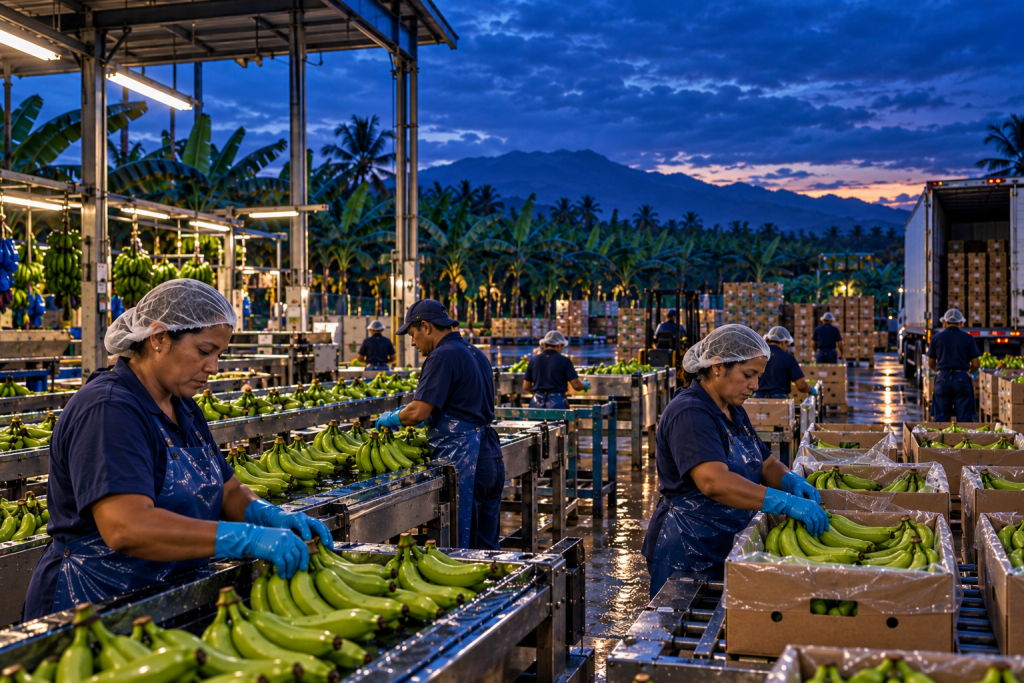
Ecuador is internationally recognised as a major banana exporter, with commercial production concentrated in coastal agricultural regions. Bananas grown in Ecuador reach supermarkets and wholesale markets across the world, making the industry one of the country’s most visible connections with international consumer retail.
The journey from plantation to supermarket requires considerably more than agricultural production. Bananas must be harvested, graded, washed, packed and transported under suitable conditions before entering international shipping networks. Packaging manufacturers, equipment suppliers, warehouses and logistics companies all contribute to maintaining product quality throughout distribution.
For Ecuadorian Manufacturers & Suppliers, banana exports create opportunities involving corrugated packaging, agricultural machinery, processing equipment and specialist materials. Logistics businesses coordinate road transportation, refrigerated containers and maritime shipments. The industry demonstrates how a familiar supermarket product depends on an extensive network of businesses operating behind the retail shelf.
Ecuadorian Cacao Connects Premium Agriculture with Chocolate Manufacturing
Ecuador has an internationally recognised cacao industry, particularly associated with fine-flavour cacao varieties used by specialist chocolate manufacturers. Agricultural production connects farms and cooperatives with fermentation facilities, exporters, processors and international buyers. Cacao represents an important example of how a country’s natural agricultural strengths can support manufacturing and consumer-brand development.
Transforming cacao into chocolate involves several stages of production. Beans require fermentation, drying, grading and transportation before entering roasting, grinding, refining and other manufacturing processes. Businesses producing finished chocolate also require packaging, quality control, product development and distribution. The commercial value of the finished product can depend on both the quality of the cacao and the manufacturer’s ability to create a consistent consumer experience.
For Ecuadorian manufacturers, greater involvement in finished chocolate production can create opportunities beyond exporting raw agricultural materials. Domestic chocolate brands can develop products for supermarkets, specialist retailers, tourism businesses and international customers. Packaging suppliers, machinery manufacturers and logistics providers contribute to this process, connecting cacao agriculture with the wider Global Retail Directory manufacturing and retail ecosystem.
Chocolate Brands Can Build International Recognition from Ecuadorian Ingredients
Ecuador’s cacao reputation creates opportunities for domestic chocolate manufacturers to develop products with a distinctive origin and commercial identity. Rather than supplying ingredients exclusively to overseas manufacturers, Ecuadorian businesses can produce finished chocolate for domestic consumers and international retail markets.
Successful chocolate manufacturing requires reliable sourcing, processing expertise and consistent product quality. Packaging and presentation also influence consumer perception, particularly within premium markets where buyers may be interested in cacao origin, flavour characteristics and production methods. Exporting finished chocolate introduces additional requirements involving labelling, storage and international distribution.
Ecuadorian chocolate producers such as Paccari demonstrate how domestic cacao can support internationally marketed consumer products. Their wider commercial environment includes growers, processors, packaging businesses, distributors and retail partners. For Iconic Brands, the opportunity lies in developing recognisable products while building reliable relationships with the businesses responsible for manufacturing and distribution.
Shrimp Production Supports Ecuador’s International Food Industry
Shrimp farming and processing represent another internationally significant part of Ecuador’s export economy. Aquaculture operations, processing facilities and international distributors connect Ecuadorian seafood production with major consumer markets, particularly in Asia, North America and Europe.
Shrimp supply chains require specialist handling and temperature management. Products may be processed, graded, frozen and packaged before entering refrigerated transportation and international shipping networks. Food safety, traceability and customer specifications influence how products are prepared for different commercial destinations.
For Transport & Logistics businesses, shrimp exports create demand for cold-storage facilities, refrigerated containers, freight forwarding and reliable port operations. Manufacturers supplying packaging, processing equipment and refrigeration systems also participate in the wider industry. Ecuador’s seafood sector demonstrates how food manufacturing and logistics work together to connect domestic production with international retail.
Manta Connects Fishing, Seafood Processing and Pacific Trade
Manta is an important coastal city with strong connections to fishing, seafood processing and maritime commerce. Its port infrastructure and industrial activities support businesses involved in handling, processing and distributing marine products.
Seafood manufacturing requires suitable facilities for receiving, processing, packaging and storing products. Different species and commercial markets create different technical requirements, while international customers may demand specific quality standards and documentation. These activities generate demand for industrial equipment, refrigeration, packaging and transportation services.
For manufacturers and logistics providers, Manta creates opportunities beyond conventional fishing operations. Processing businesses need machinery and maintenance, while exporters require freight coordination and reliable international transportation. The city’s maritime economy demonstrates how regional industrial specialisation contributes to Ecuador’s wider retail and export supply chains.
Cuenca Combines Manufacturing, Design and Regional Retail
Cuenca is one of Ecuador’s important regional commercial centres, with manufacturing activities involving furniture, ceramics, textiles, food products and other consumer goods. The city also benefits from tourism and a distinctive architectural environment, creating opportunities for retail, hospitality and specialist manufacturing.
Furniture and commercial interior production are particularly relevant to physical retail. Manufacturers capable of producing wooden furniture, decorative panels, counters and display structures can potentially serve shops, hotels, restaurants and commercial developments. Consistent manufacturing quality and suitable packaging become important when products are supplied to customers outside the immediate region.
For Retail Installation Companies and commercial suppliers, Cuenca offers opportunities involving shopfitting, hospitality interiors, refurbishment and specialist equipment. Local manufacturers may work with designers and contractors delivering individual projects, while businesses with suitable production capabilities can seek customers elsewhere in Ecuador or internationally.
Textiles and Apparel Manufacturing Support Ecuadorian Consumer Markets
Ecuador has established textile and garment manufacturing activities serving domestic consumers and commercial customers. Production includes clothing, fabrics, uniforms and specialist textile products, connecting manufacturers with retailers, hospitality businesses and other industries.
Textile production involves several stages, including material sourcing, cutting, sewing, finishing and quality control. Manufacturers supplying organised retailers need consistent products and reliable delivery schedules, while smaller businesses may focus on specialist collections or local markets. International competition creates pressure to maintain appropriate quality and commercial efficiency.
For Ecuadorian Manufacturers & Suppliers, textiles provide opportunities beyond conventional clothing retail. Commercial fabrics can support furniture and hospitality interiors, while uniforms and specialist garments serve industrial and service businesses. As manufacturers develop their capabilities, they may establish relationships with regional distributors and international buyers seeking suitable production partners.
Packaging Manufacturing Supports Ecuador’s Export Industries
Packaging is an essential supporting industry within Ecuador because agricultural exporters, seafood processors, food manufacturers and consumer brands all require suitable materials. Corrugated cartons, flexible packaging, labels and protective products contribute to transportation, storage and retail presentation.
Different products require different packaging solutions. Bananas need suitable export cartons, shrimp products require materials appropriate for refrigerated distribution, and chocolate manufacturers need packaging that protects the product while communicating brand identity. Packaging therefore performs both a practical logistics function and a commercial marketing role.
For manufacturers, the scale of Ecuador’s agricultural and food exports creates opportunities to supply several industries. Packaging companies capable of producing consistent materials can support exporters, domestic retailers and consumer-product manufacturers. Their activities demonstrate how specialist suppliers contribute to international retail without necessarily producing finished products sold directly to consumers.
Ecuador’s Pacific Ports Connect Production with International Markets
Ecuador’s Pacific coastline provides important connections with international maritime trade. Port infrastructure around Guayaquil and Posorja supports containerised cargo and other commercial movements, while additional facilities contribute to regional industrial and export activity.
International shipping connects Ecuadorian producers with overseas customers and allows domestic retailers to import products manufactured elsewhere. Agricultural exports, seafood, machinery, electronics and commercial equipment all depend on transportation networks that connect ports with factories, warehouses and final destinations.
For Transport & Logistics companies, these movements create opportunities involving freight forwarding, customs coordination, warehousing and road transportation. Manufacturers exporting products need reliable shipping arrangements, while retailers importing equipment require suitable inland distribution. Ecuador’s ports therefore form an important part of the country’s wider commercial infrastructure.
The Andes Create Distinctive Domestic Distribution Challenges
Ecuador’s geography includes Pacific coastal regions, Andean highlands and Amazonian areas, creating different transportation conditions within the same country. Roads connecting coastal ports with highland cities must cross mountainous terrain, while more remote regions may require additional distribution planning.
Retailers operating nationally need to consider these differences when organising inventory and deliveries. Products arriving through Guayaquil may need to travel inland toward Quito or Cuenca, while stores in smaller communities can face different replenishment conditions from major metropolitan locations. Transportation costs and delivery schedules influence where businesses position warehouses and distribution facilities.
For logistics providers, these conditions create opportunities involving regional freight, warehousing and coordinated delivery services. Manufacturers supplying furniture or commercial fixtures must also consider packaging and transportation when planning projects. Ecuador demonstrates how geography can influence retail operations even within a country considerably smaller than many major international markets.
Flower Exports Connect Ecuador with International Consumer Retail
Ecuador is internationally recognised for its cut-flower industry, particularly roses cultivated in highland regions. Flower production connects agricultural businesses with international wholesalers, florists and supermarket networks, creating another important relationship between domestic production and overseas retail.
Fresh flowers require careful handling because appearance and freshness directly influence commercial value. After harvesting, flowers are graded, packed and moved through temperature-controlled distribution systems. Air freight and specialist logistics services can play important roles in reaching distant markets within suitable delivery periods.
For Ecuadorian businesses, the flower industry generates demand for packaging, refrigeration, agricultural equipment and freight forwarding. Manufacturers and logistics providers supporting these operations contribute to international retail supply chains even though they do not sell flowers directly to consumers. The industry demonstrates how specialist agricultural production can create commercial opportunities across several connected sectors.
Tourism Creates Demand for Ecuadorian Products and Commercial Services
Ecuador’s tourism industry includes Quito’s historic centre, Cuenca, coastal destinations, the Andes and the Galápagos Islands. These environments create different consumer markets involving hospitality, restaurants, specialist retail and locally manufactured products.
Visitors may encounter Ecuadorian chocolate, coffee, textiles, crafts and other products through shops, markets and hospitality businesses. Tourism provides an opportunity for domestic manufacturers and brands to introduce products to international customers who may later continue purchasing through overseas retailers or digital channels.
The hospitality industry also creates demand for commercial equipment and installation services. Hotels, restaurants and tourism facilities require furniture, lighting, signage, kitchen equipment and maintenance. Local manufacturers and specialist contractors can participate in these projects, connecting tourism with the wider retail and commercial supply chain.
The Galápagos Islands Require Specialised Commercial Logistics
The Galápagos Islands represent a distinctive part of Ecuador’s economy because of their geographic isolation and environmental importance. Tourism and local communities require food, consumer products, equipment and commercial services, but transportation and supply arrangements differ substantially from those on the mainland.
Businesses supplying the islands need to consider shipping schedules, transport costs and environmental regulations. Products may require additional handling before reaching their final destination, while retailers and hospitality operators must manage inventory carefully because replacement supplies cannot always arrive quickly.
For Transport & Logistics companies, these conditions demonstrate the importance of specialised regional knowledge. Suppliers and contractors serving island businesses need reliable planning and appropriate transportation arrangements. The Galápagos market illustrates how retail distribution must adapt to geography and local operating requirements rather than applying one standard model everywhere.
E-Commerce Creates Opportunities for Ecuadorian Retailers
Digital commerce provides Ecuadorian businesses with additional ways to reach customers beyond their immediate physical locations. Online stores, marketplaces and social media allow retailers and manufacturers to present products, communicate with customers and develop sales channels alongside conventional shops.
However, digital transactions still depend on physical infrastructure. Products require storage, packaging, transportation and delivery, while returns and customer service create additional operational requirements. Regional geography can influence delivery costs and service availability, particularly when customers live outside major metropolitan areas.
For logistics companies, e-commerce creates opportunities involving fulfilment, parcel delivery, inventory management and returns processing. Packaging manufacturers also benefit as businesses move from bulk wholesale shipments toward individual customer orders. The development of online retail therefore strengthens the relationship between digital marketing and physical distribution.
Retail Installation Companies Support Ecuador’s Commercial Development
Physical retail development creates demand for professional installation services across shopping centres, supermarkets, fashion stores, technology retailers and hospitality businesses. Commercial premises require furniture, displays, lighting, signage and specialist equipment before they can operate effectively.
International retailers entering Ecuador may use established store designs and fixtures manufactured overseas. These products need to move through freight networks, warehouses and domestic transportation before reaching individual properties. Installation contractors must coordinate deliveries, technical specifications and project schedules while adapting to local conditions.
For Ecuadorian Retail Installation Companies, these requirements create opportunities involving store openings, refurbishments, technology upgrades and ongoing maintenance. Businesses capable of coordinating with manufacturers and logistics providers can support domestic retailers and international brands. Reliable local installation capability becomes particularly important when customers operate several locations across different Ecuadorian cities.
Ecuadorian Manufacturers Can Develop International Commercial Partnerships
Ecuador’s manufacturing economy includes businesses operating in food processing, textiles, furniture, packaging, industrial components and specialist consumer products. These companies can participate in international retail directly through finished goods or indirectly through materials and equipment used by other manufacturers.
A furniture producer may supply commercial interiors, while a packaging manufacturer can support exporters serving international supermarkets. Food processors can develop consumer brands, and industrial suppliers may provide equipment or components used within commercial facilities. These relationships demonstrate how manufacturing capabilities connect with several different parts of the retail ecosystem.
For international buyers, identifying suitable Ecuadorian manufacturers requires reliable information about production capabilities, location and commercial experience. Professional business discovery can provide another starting point for establishing supplier relationships, although technical assessments and commercial due diligence remain essential before placing orders or entering long-term agreements.
Connecting Ecuadorian Businesses Through Global Retail Directory
Ecuador contains manufacturers, logistics providers, retail contractors and consumer brands whose capabilities can support domestic and international commercial projects. Cacao processors, chocolate manufacturers, seafood exporters, packaging companies, furniture producers and freight businesses all contribute to different stages of the country’s retail supply chain.
The Global Retail Directory provides a specialist international B2B platform where these businesses can present their capabilities. Manufacturers & Suppliers can demonstrate production expertise, Transport & Logistics companies can describe their services, Retail Installation Companies can become visible to retailers and project organisations, and Iconic Brands can participate in a network connecting the businesses behind retail.
GRD operates across 31 language versions and supports local, regional and international business discovery. An Ecuadorian chocolate manufacturer may focus on domestic customers or international exports, while a retail installation company in Quito may serve only particular regions. The objective is to provide another professional route through which relevant businesses can be discovered without requiring every company to operate globally.
Ecuador’s Retail Future Connects Agricultural Strength with International Manufacturing
The future of the retail industry in Ecuador will continue to be influenced by urban consumer demand, agricultural exports, manufacturing development and international trade. Quito and Guayaquil will remain major commercial centres, while Cuenca, Manta, Machala and other regional markets contribute distinctive industrial, agricultural and distribution activities.
Ecuador’s wider strengths create opportunities extending beyond conventional shopping. Banana exports connect producers with international supermarkets, cacao supports premium chocolate manufacturing, shrimp processing contributes to global food markets, and flowers reach international consumers through specialist distribution networks. Packaging, furniture, textiles and logistics provide additional capabilities supporting both domestic retail and overseas commercial relationships.
For Global Retail Directory, Ecuador demonstrates how retail, manufacturing, logistics, installation and brands form an interconnected commercial ecosystem. The country’s opportunities extend from local manufacturers and regional contractors to internationally recognised agricultural products and consumer brands. Making those capabilities easier to discover can help Ecuadorian businesses connect with suitable customers, suppliers and commercial partners throughout South America and the wider global retail industry.