
The retail industry in Costa Rica operates within one of Central America’s most distinctive economies, combining established consumer markets with advanced manufacturing, agricultural exports, international tourism and regional trade. San José and the surrounding Greater Metropolitan Area provide the country’s largest concentration of retail, corporate activity and commercial services, while Alajuela, Heredia, Cartago, Liberia and Limón contribute different industrial and regional economies. Costa Rica’s position between the Pacific Ocean and the Caribbean Sea creates important international connections, allowing businesses to participate in supply chains extending across North America, Europe and other global markets.

Costa Rica is particularly interesting because its commercial economy combines traditional agricultural industries with sophisticated manufacturing activities. Coffee, pineapples, bananas and processed foods connect domestic producers with international supermarkets, while medical devices, precision manufacturing and specialist industrial services demonstrate the country’s capabilities in more technically demanding sectors. Tourism creates additional demand for hospitality, retail products and commercial infrastructure, while international manufacturers operating in Costa Rica contribute to employment, supplier development and logistics activity.
For Global Retail Directory, Costa Rica represents an interconnected commercial environment where Retail Installation Companies, Manufacturers & Suppliers, Transport & Logistics businesses and Iconic Brandssupport domestic and international markets. Manufacturers need reliable suppliers and distribution partners, retailers require professional store installations, and international brands depend on local commercial knowledge when entering the country. Costa Rica demonstrates how a relatively small Central American economy can develop international business opportunities through manufacturing specialisation, agricultural production and connections with overseas customers.
San José Is the Centre of Costa Rica’s Retail Economy
San José and the surrounding metropolitan region provide Costa Rica with its largest concentration of consumers, businesses and organised retail activity. Shopping centres, supermarkets, department stores, fashion retailers, electronics businesses and independent commercial establishments operate throughout the capital and neighbouring communities. The wider metropolitan area includes important commercial districts extending into Escazú, Santa Ana, Heredia and Alajuela, creating a retail environment that reaches beyond the administrative boundaries of San José itself.
Costa Rica’s urban retail landscape combines established local businesses with international consumer brands. Modern shopping destinations serve customers seeking fashion, technology, entertainment and hospitality, while traditional markets and neighbourhood shops remain important for everyday purchases. Consumer expectations vary according to location, purchasing power and product category, requiring retailers to adapt their formats rather than assuming that every district supports the same commercial approach.
For Retail Installation Companies, this concentration of commercial activity creates opportunities involving store openings, shopfitting, display systems, lighting, signage and technology installations. International retailers need local contractors capable of delivering established brand standards, while domestic businesses require furniture, shelving, refrigeration and ongoing maintenance. Manufacturers supplying commercial equipment can also participate in these projects, connecting Costa Rica’s retail development with its wider industrial economy.
Escazú and Santa Ana Support Premium Retail and International Business
Escazú and Santa Ana have become important commercial areas within the western part of the Greater Metropolitan Area. Their development includes shopping destinations, offices, hospitality businesses, residential communities and international corporate activity. These districts provide a different retail environment from traditional central San José, with modern commercial properties and consumer markets supporting a broad range of products and services.
Premium retail environments often place considerable importance on store presentation and customer experience. Fashion, beauty, technology, restaurants and specialist retailers require carefully designed interiors, suitable lighting and consistent visual merchandising. Commercial property developments may also impose specific requirements concerning deliveries, installation schedules and maintenance, creating additional responsibilities for contractors working within these environments.
This generates opportunities for specialist manufacturers and installation companies capable of producing and fitting high-quality commercial equipment. Furniture manufacturers, metal fabricators, signage suppliers and technology providers can support retail projects, while logistics businesses coordinate deliveries from domestic and international suppliers. Costa Rica’s premium retail districts therefore demonstrate how consumer spending connects with a much larger network of B2B services.
Costa Rica Has Become an Important Medical Device Manufacturing Centre
One of Costa Rica’s most distinctive industrial strengths is its internationally significant medical device manufacturing sector. The country has attracted multinational manufacturers producing medical equipment, components and specialist healthcare products for overseas markets. Industrial operations are concentrated particularly around the Greater Metropolitan Area, where manufacturing facilities benefit from established infrastructure, workforce capabilities and international transportation connections.
Medical device production requires demanding standards involving precision, quality control, traceability and regulated manufacturing processes. Companies operating in this sector depend on specialised materials, clean production environments, engineering services, packaging and reliable supply chains. The industry therefore supports a wider network of businesses extending beyond the manufacturers producing finished medical products.
Although medical devices are not conventional consumer retail products, the sector is highly relevant to the Manufacturers & Suppliers ecosystem represented within Global Retail Directory. Precision plastics, metalworking, electronics, packaging and automation capabilities can support several commercial industries. Costa Rica’s experience in advanced manufacturing demonstrates that businesses operating behind retail and international commerce often possess technical expertise applicable to multiple markets.
Free Trade Zones Support International Manufacturing Investment
Costa Rica’s free trade zone regime has played an important role in attracting international manufacturing and service businesses. Companies operating under qualifying arrangements can benefit from specific incentives and infrastructure designed to support investment, exports and commercial development. These industrial environments have contributed to the growth of medical devices, electronics, specialist manufacturing and other internationally connected activities.
Manufacturing investment creates opportunities throughout the surrounding supply chain. Factories require machinery, maintenance, packaging, materials, transportation and professional services, while finished products need to reach international customers through reliable distribution networks. Domestic suppliers capable of meeting demanding technical and commercial requirements can potentially develop relationships with multinational manufacturers operating within the country.
For international buyers, Costa Rica’s industrial development provides opportunities to identify specialist manufacturers and suppliers within Central America. However, successful sourcing still depends on evaluating production capabilities, quality standards, capacity and commercial suitability. A professional directory presence can help relevant businesses become discoverable, while technical and commercial assessments remain essential before establishing supplier relationships.
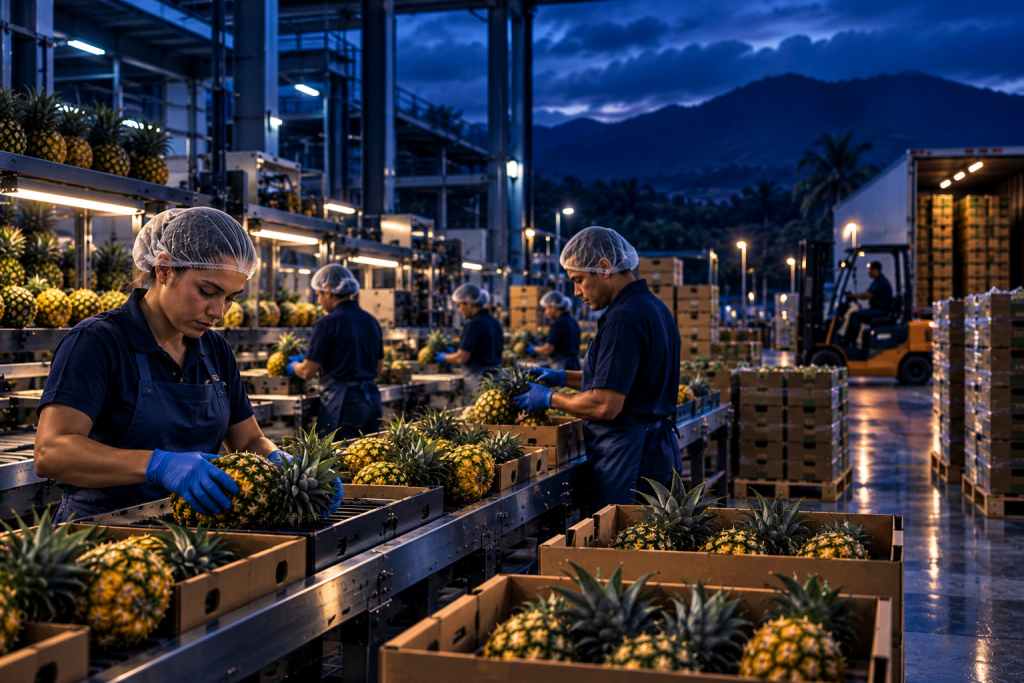
Pineapple Production Connects Costa Rica with International Supermarkets
Costa Rica is internationally recognised for pineapple production and exports, making the fruit one of the country’s most visible connections with global consumer retail. Agricultural operations supply international markets where fresh pineapples appear in supermarkets, wholesale distribution networks and food-processing facilities.
The commercial journey from plantation to supermarket requires several stages. Pineapples must be harvested, inspected, graded, packed and transported under suitable conditions before reaching overseas customers. Packaging facilities, refrigerated transportation, warehouses and shipping services all contribute to maintaining product quality throughout the supply chain.
For Costa Rican businesses, pineapple exports create opportunities beyond agricultural production. Packaging manufacturers supply cartons and protective materials, logistics providers coordinate international shipments, and equipment suppliers support processing and handling operations. This demonstrates how one agricultural product can generate commercial activity across Manufacturers & Suppliers, Transport & Logistics businesses and international retail networks.
Coffee Remains an Important Part of Costa Rica’s International Identity
Costa Rica has a long history of coffee production, with growing regions including Tarrazú, the Central Valley and other highland areas recognised for their agricultural activity. Coffee connects rural producers with processors, exporters, roasters and consumer brands operating domestically and internationally.
The industry’s commercial value depends on quality, processing and market positioning. Coffee beans require harvesting, preparation, grading and transportation before reaching roasters or manufacturers. Businesses producing roasted and packaged coffee can potentially develop stronger consumer identities, although international competition requires consistent quality, suitable packaging and reliable distribution.
Coffee also connects Costa Rica’s agricultural economy with tourism and specialist retail. Visitors encounter locally produced coffee in shops, hotels and restaurants, while international consumers may discover Costa Rican products through speciality retailers. The relationship between agricultural production, branding and distribution demonstrates how local products can reach international markets through several different commercial channels.
Banana Exports Depend on International Logistics Networks
Banana production represents another important connection between Costa Rican agriculture and international retail. Commercial plantations and packing facilities supply overseas customers, particularly through established export channels serving large consumer markets.
Bananas require coordinated handling and transportation because product condition changes throughout the journey from harvest to retail. Packing operations, refrigerated shipping, port facilities and distribution networks all contribute to ensuring products arrive in suitable condition. Delays or unsuitable handling can affect commercial value, making logistics a central part of the industry.
For Transport & Logistics companies, agricultural exports create demand for freight forwarding, refrigerated transport, warehousing and international shipping coordination. Manufacturers producing packaging and agricultural equipment also contribute to the supply chain. Costa Rica’s banana industry illustrates how physical retail depends on businesses operating far beyond the supermarket where the finished product is eventually purchased.
Food Processing Creates Opportunities for Costa Rican Manufacturers
Costa Rica’s agricultural production supports food-processing businesses manufacturing beverages, snacks, sauces, preserved foods and other consumer products. Domestic manufacturers can supply local supermarkets, hospitality businesses and international customers depending on their production capabilities and market requirements.
Food processing introduces commercial activities beyond farming. Manufacturers require equipment, ingredients, packaging, quality-control systems and distribution, while retailers need consistent products with appropriate labelling and shelf life. Businesses exporting internationally must also understand the regulatory and commercial requirements of destination markets.
This creates opportunities for Costa Rican Manufacturers & Suppliers throughout the production chain. Packaging companies, machinery suppliers, refrigeration specialists and logistics providers can support food businesses as they develop. Manufacturers capable of creating reliable consumer products may also establish brands that reach markets beyond Costa Rica’s domestic economy.
Guanacaste Connects Tourism with Retail and Hospitality Development
Guanacaste is one of Costa Rica’s internationally recognised tourism regions, attracting visitors through its Pacific coastline, resorts and recreational opportunities. Tourism activity around Liberia, Tamarindo, Papagayo and other destinations creates demand for accommodation, restaurants, shops, transport services and specialist consumer products.
Tourism retail operates differently from conventional urban shopping. Visitors may purchase clothing, outdoor equipment, beauty products, food and locally manufactured goods, while hospitality businesses require commercial equipment and ongoing maintenance. Seasonal demand and international visitor expectations influence product selection and business operations.
For Retail Installation Companies, tourism development creates opportunities involving hotel interiors, resort shops, restaurants and specialist commercial facilities. Furniture manufacturers, lighting suppliers, signage companies and logistics providers can participate in these projects. Costa Rica’s tourism industry therefore supports a wider commercial ecosystem extending beyond accommodation and leisure services.
Eco-Tourism Creates Demand for Specialist Products and Services
Costa Rica has developed an international reputation for nature-based tourism, supported by national parks, forests, wildlife destinations and outdoor recreation. This creates a distinctive consumer market where environmental awareness, outdoor activities and hospitality influence purchasing decisions.
Outdoor retailers may supply hiking equipment, clothing, footwear and specialist products, while tourism operators require durable furniture, equipment and commercial facilities. Businesses serving environmentally sensitive destinations may also need to consider material selection, waste management and the practical impact of transporting goods into remote locations.
For manufacturers and suppliers, these requirements create opportunities to develop products appropriate to local conditions. Durable equipment, suitable packaging and reliable maintenance can be particularly valuable when commercial operations are located away from major urban centres. Eco-tourism therefore connects consumer retail with specialist manufacturing, installation and logistics services.
Puerto Limón Connects Costa Rica with Caribbean Trade Routes
Costa Rica’s Caribbean coast provides important international maritime connections, particularly through the Limón region and the container terminal at Moín. These facilities support imports and exports moving between Costa Rica and overseas markets.
Agricultural products, manufactured goods, machinery and consumer products depend on international shipping networks. Cargo arriving through Caribbean ports may move inland toward manufacturing facilities, warehouses and retail markets, while exports follow the reverse journey toward overseas customers.
For logistics businesses, port operations create opportunities involving container transportation, customs coordination, warehousing and inland distribution. Manufacturers exporting medical devices or agricultural products require reliable freight arrangements, while retailers depend on imported consumer goods and equipment. Costa Rica’s Caribbean infrastructure therefore supports several different industries within the same commercial network.
Pacific Trade Provides Additional International Connections
Costa Rica also has access to Pacific maritime routes through facilities including Puerto Caldera. This provides an additional connection with international shipping networks and supports the movement of commercial goods between the country and overseas markets.
The availability of ports on two coasts creates different logistics options, although the suitability of individual routes depends on shipping services, destination markets, cargo requirements and inland transportation. Manufacturers and importers need to evaluate these factors when selecting supply-chain arrangements.
For Transport & Logistics providers, coordinating shipments between ports, warehouses and customers creates opportunities for specialist services. Businesses may require international freight forwarding, customs support, road transportation or inventory management. Costa Rica’s geographic position therefore influences how retailers and manufacturers organise international trade.
Costa Rica’s Geography Influences Domestic Distribution
Although Costa Rica is relatively small compared with larger North American economies, its mountainous terrain and regional geography create transportation challenges. The Greater Metropolitan Area concentrates substantial commercial activity, while coastal and rural regions require distribution networks extending beyond the principal urban market.
Retailers operating nationally need to consider delivery routes, road conditions and inventory availability. Products distributed from warehouses around San José may require different transportation arrangements when serving Guanacaste, Limón or southern regions. Tourism businesses in more remote locations can face additional challenges when ordering specialist equipment or replacement components.
This creates opportunities for logistics companies capable of coordinating regional deliveries and maintaining reliable service. Manufacturers supplying commercial furniture or retail fixtures also need to consider transportation when designing packaging and installation schedules. Geography therefore remains an important part of Costa Rica’s retail operating environment.
Costa Rican Brands Can Develop International Consumer Markets
Costa Rica’s agricultural products, food manufacturing and tourism identity create opportunities for domestic consumer brands. Coffee, food products, beverages, cosmetics and specialist lifestyle goods can potentially reach international customers through distributors, retailers and digital channels.
Successful international expansion requires consistent production, appropriate packaging and reliable logistics. A product popular with domestic consumers may need adaptation for overseas markets, while manufacturers must understand applicable regulations and customer expectations. Brand development therefore depends on operational capability as well as marketing.
For Iconic Brands, Costa Rica demonstrates how products associated with a particular country can develop international recognition. Tourism may introduce products to overseas visitors, while export distribution allows brands to reach customers who have never visited Costa Rica. Manufacturers, packaging suppliers and logistics providers all contribute to these commercial opportunities.
E-Commerce Expands Opportunities for Costa Rican Retailers
Digital commerce provides Costa Rican retailers and manufacturers with additional ways to reach customers. Online stores, marketplaces and social media allow businesses to present products beyond their immediate physical locations, while digital communication supports customer relationships and commercial enquiries.
However, online retail still depends on physical operations. Products need storage, packaging, delivery and returns management, while customer satisfaction depends on reliable information about availability and transportation. Businesses serving regional markets must consider delivery costs and practical distribution requirements.
For packaging manufacturers, fulfilment companies and logistics providers, e-commerce creates opportunities extending beyond conventional store replenishment. Smaller individual orders require different handling from bulk deliveries, while businesses exporting products need suitable international shipping arrangements. The growth of digital retail therefore strengthens the relationship between online sales and physical supply chains.
Retail Installation in Costa Rica Requires Local Project Knowledge
International retailers entering Costa Rica may use established store designs, fixtures and technology developed for their wider operations. These concepts need to be delivered within local commercial properties while meeting practical installation requirements and maintaining the brand’s expected presentation.
Equipment may be manufactured internationally or sourced from domestic suppliers before reaching individual stores. Logistics companies coordinate deliveries, while installation teams assemble furniture, displays, signage and technology according to project schedules. Shopping centres and operating retail environments can introduce additional restrictions involving access, working hours and deliveries.
For Retail Installation Companies, Costa Rica creates opportunities involving store openings, refurbishments, technology upgrades and ongoing maintenance. Businesses capable of coordinating with manufacturers and logistics providers can support domestic retailers and international brands. Reliable local contractors become particularly valuable when customers operate several locations across the country.
Costa Rica’s Advanced Manufacturing Can Support Other Industries
The development of medical devices and precision manufacturing has created technical capabilities that may also be relevant to other commercial sectors. Businesses experienced in plastics, metalworking, electronics, automation and quality control can potentially supply components or services beyond their principal industrial markets.
Retail equipment and commercial technology frequently depend on similar manufacturing processes. Digital displays, payment systems, security equipment, specialist fixtures and automated warehouse systems all require technical components and reliable production.
For Costa Rican manufacturers, diversification may create opportunities when existing capabilities align with new customer requirements. However, entering another industry still requires suitable commercial knowledge, product development and quality standards. The broader opportunity lies in making specialist manufacturing capabilities visible to buyers who may not initially associate Costa Rica with their particular sourcing requirements.
Connecting Costa Rican Businesses Through Global Retail Directory
Costa Rica contains manufacturers, logistics providers, retail contractors and consumer brands whose capabilities can support domestic and international commercial projects. Medical device manufacturers, packaging suppliers, food processors, freight companies and installation specialists all contribute to different stages of the country’s economy.
The Global Retail Directory provides a specialist international B2B platform where these businesses can present their capabilities. Manufacturers & Suppliers can demonstrate production expertise, Transport & Logistics companies can describe their services, Retail Installation Companies can become visible to retailers and project organisations, and Iconic Brands can participate in a network connecting businesses behind retail.
GRD operates across 31 language versions and supports local, regional and international business discovery. A Costa Rican manufacturer may serve customers throughout North America or export internationally, while a local installation company may focus on projects around San José or Guanacaste. The objective is to create another professional route through which relevant businesses can be discovered without requiring every company to operate globally.
Costa Rica’s Retail Future Connects Advanced Manufacturing with International Trade
The future of the retail industry in Costa Rica will continue to be influenced by urban consumer demand, tourism, manufacturing investment and international trade. San José and the Greater Metropolitan Area will remain the country’s principal commercial centre, while Guanacaste, Limón and other regions contribute distinctive tourism, agricultural and logistics activities.
Costa Rica’s wider strengths create opportunities extending beyond conventional shopping. Medical device manufacturing demonstrates advanced industrial capabilities, agricultural exports connect producers with international supermarkets, and tourism supports hospitality, specialist retail and commercial services. Ports on both coasts provide important connections with overseas markets, while domestic distribution networks link manufacturing facilities and warehouses with customers throughout the country.
For Global Retail Directory, Costa Rica demonstrates how retail, manufacturing, logistics, installation and brands form an interconnected commercial ecosystem. The country’s opportunities extend from local food producers and specialist contractors to advanced manufacturers and international supply chains. Making those capabilities easier to discover can help Costa Rican businesses connect with suitable customers, suppliers and commercial partners throughout Central America, North America and the wider global retail industry.