
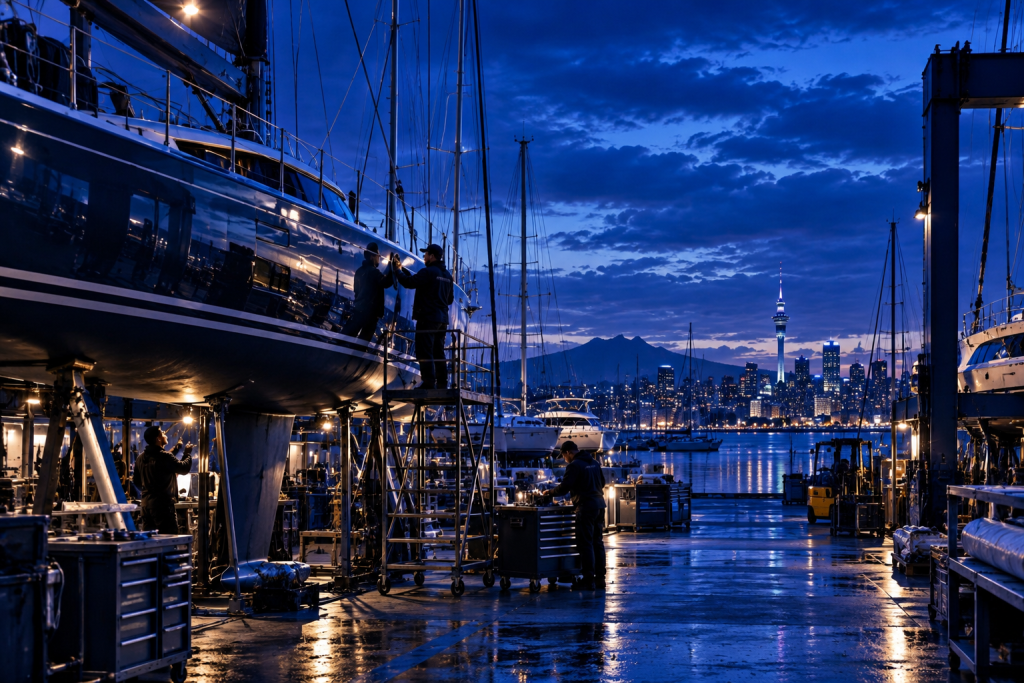
The retail industry in New Zealand operates within a relatively small but sophisticated consumer economy spread across two main islands and several important regional markets. Auckland provides the country with its largest concentration of population, corporate activity and modern retail, while Wellington, Christchurch, Hamilton, Tauranga, Dunedin and other cities contribute distinctive commercial environments shaped by local industries, tourism and regional consumer demand.

New Zealand’s retail economy is particularly interesting because the country combines domestic consumption with internationally recognised agricultural production, food manufacturing, wine, natural materials, tourism and consumer brands. Its geographic isolation creates additional supply-chain considerations because many imported products and components travel considerable distances before reaching New Zealand stores, while domestic producers depend on international logistics to reach customers across Asia-Pacific and farther overseas.
For the Global Retail Directory, New Zealand demonstrates how Retail Installation Companies, Manufacturers & Suppliers, Transport & Logistics businesses and Iconic Brands interact within a geographically distinctive market. Retail does not begin at the shop entrance. It connects farms and factories with ports, warehouses, e-commerce, physical stores and international consumers through a commercial network extending far beyond New Zealand itself.
Auckland Is the Centre of New Zealand’s Retail Economy
Auckland is New Zealand’s largest metropolitan market and provides the country with its greatest concentration of consumers, corporate headquarters and international businesses. Shopping centres, supermarkets, fashion retailers, technology stores, restaurants, specialist businesses and international brands operate throughout a metropolitan area containing several different commercial districts.
The city supports everything from premium central retail and major shopping destinations to suburban centres and neighbourhood businesses. Different locations serve different customer profiles, meaning retailers need to understand individual catchments rather than assuming one store format or product range will perform equally throughout the wider Auckland region.
For businesses supporting physical retail, this concentration creates demand for furniture, lighting, displays, signage, technology and installation. International brands entering New Zealand need local companies capable of turning global concepts into functioning stores, while established retailers require refurbishment and maintenance as their physical estates evolve.
Wellington Combines Retail with Government, Culture and Tourism
Wellington provides a very different retail environment from Auckland. As the national capital, it combines government, professional employment, tourism, hospitality and a strong cultural identity within a relatively compact urban environment.
The physical characteristics of the city influence retail as well. Central commercial areas contain buildings and streets where access can be more restricted than within suburban developments, making delivery and installation planning important when retailers introduce large fixtures or complete store concepts.
Independent businesses, food, fashion and hospitality contribute strongly to Wellington’s commercial character. For retailers, the city demonstrates why New Zealand should not be treated simply as one small national market. Auckland and Wellington can support the same brand while requiring different property strategies and operational approaches.
Christchurch Is a Major South Island Commercial Centre
Christchurch provides the South Island with its largest metropolitan consumer market and an important commercial base for retailers operating beyond the North Island. Shopping destinations, supermarkets, home products, fashion, food and services support both the resident population and the wider regional economy.
For national retailers, Christchurch can play an important role within distribution strategy. Supplying South Island stores entirely from North Island facilities can add transportation distance and complexity, particularly when businesses operate substantial store networks or need frequent replenishment.
Regional warehousing and local supplier relationships can therefore become increasingly valuable as volumes grow. Christchurch demonstrates how New Zealand’s island geography can influence retail infrastructure even when the overall national market remains relatively compact by international standards.
New Zealand’s Geography Shapes National Retail Distribution
New Zealand stretches across two main islands with population distributed between several metropolitan and regional markets. This geography means national retail networks need to think carefully about where inventory is positioned and how products move between distribution facilities and stores.
The Cook Strait creates an obvious physical separation between the North and South Islands, while regional communities can sit significant distances from Auckland or Christchurch. Retailers therefore need realistic delivery schedules rather than assuming national distribution can operate like a single metropolitan network.
The same issue affects physical store projects. Furniture and equipment need to reach the correct location before installation teams arrive, while missing components can become expensive when replacements need to travel between islands or from overseas. Accurate packing and project logistics are consequently particularly important within New Zealand rollouts.
New Zealand Depends on International Retail Supply Chains
New Zealand’s geographic position means international trade is fundamental to the consumer economy. Technology, fashion, vehicles, furniture, machinery and numerous other products can travel significant distances before entering domestic distribution networks.
For retailers, this increases the importance of forecasting and inventory planning. A replacement product sourced from a nearby domestic supplier can potentially arrive quickly, while something manufactured in Europe, North America or Asia may require considerably longer lead times.
International sourcing therefore needs resilience. Retailers can hold appropriate safety stock, identify alternative suppliers or develop local manufacturing options for particular components. The objective is not to eliminate international sourcing but to recognise that geographic distance changes the commercial consequences of disruption.
Ports Connect New Zealand with Asia-Pacific Commerce
Ports are fundamental to New Zealand’s relationship with international retail because maritime freight carries substantial quantities of consumer products, materials and manufactured goods between the country and overseas markets. Auckland, Tauranga and other ports connect domestic businesses with international supply chains.
Imported goods move from maritime terminals toward warehouses, retailers and manufacturers, while New Zealand food, wine and other products travel outward toward international customers. The same infrastructure therefore supports commerce in both directions.
For Transport & Logistics businesses, this creates opportunities around freight forwarding, customs, warehousing and domestic distribution. A retailer may interact directly with only a small part of this network, but product availability ultimately depends on the performance of the complete journey between international supplier and New Zealand customer.
Tauranga Connects Port Infrastructure with a Growing Consumer Market
Tauranga provides an interesting combination of port activity, population growth, agriculture and regional consumer demand. Its commercial significance therefore extends beyond conventional retail, connecting the Bay of Plenty economy with domestic and international trade.
The surrounding region produces agricultural products capable of reaching customers around the world, while imported products enter distribution networks serving businesses throughout New Zealand. Logistics and consumer commerce operate close to one another even when customers rarely see the relationship.
As the regional population grows, retail follows residential and economic development. Supermarkets, restaurants, services and consumer businesses need to expand alongside communities, creating opportunities for suppliers and project companies as well as retailers themselves.
Food Production Is Central to New Zealand’s Retail Identity
Food and agricultural production are among New Zealand’s strongest international commercial capabilities. Dairy products, meat, fruit, seafood and other categories connect farms and processing businesses with supermarkets, restaurants and consumers domestically and internationally.
The journey from agricultural production to retail can involve processing, quality control, packaging, cold storage and distribution. Every additional stage creates opportunities for specialist businesses contributing to the finished consumer product.
For New Zealand Manufacturers & Suppliers, the opportunity extends beyond exporting agricultural commodities. Processing and branding can allow businesses to participate closer to the final consumer, where packaging, product development and brand recognition create additional commercial value.
Dairy Connects New Zealand Production with Global Consumers
New Zealand’s dairy sector provides one of the clearest examples of domestic production becoming part of international retail. Milk can become cheese, butter, milk powder and numerous other products serving consumer and industrial markets around the world.
Retail-ready dairy products require sophisticated processing and supply chains. Packaging needs to protect quality, regulatory requirements need to be met and temperature-controlled products require reliable cold-chain management from manufacturing through distribution.
Branding creates another opportunity. When customers associate a product with New Zealand origin and production quality, provenance can become part of the consumer proposition. Agriculture, manufacturing, logistics and retail therefore become connected stages rather than separate industries.
Kiwifruit Demonstrates the Importance of Fresh-Produce Logistics
Fresh produce creates a very different supply-chain challenge from manufactured furniture or electronics. Kiwifruit and other New Zealand agricultural products need to reach international customers while maintaining quality through packing, storage, transportation and retail distribution.
Time and temperature can directly influence commercial value. Packaging needs to protect produce without creating unnecessary weight, while logistics providers need to coordinate movements around harvest periods and destination demand.
The customer eventually sees fruit inside a supermarket, but the product has already passed through an extensive B2B network before reaching the shelf. New Zealand fresh produce demonstrates particularly clearly why logistics should be considered part of the retail ecosystem rather than simply a transport service operating outside it.
New Zealand Wine Can Build Premium International Retail Brands
Wine provides another route through which New Zealand production connects with international retail. Vineyards and wineries can create products strongly associated with particular regions, while packaging and branding transform agricultural production into consumer propositions capable of travelling globally.
Wineries can also combine production with tourism and direct retail. Tasting rooms allow visitors to experience products where they are produced, while e-commerce and international distribution enable those relationships to continue after customers return home.
For New Zealand brands, this creates several routes to market. Products can reach supermarkets, restaurants, specialist merchants and direct customers, allowing producers to balance wholesale distribution with consumer relationships under their own brand.
Wool and Natural Materials Can Support Premium Products
New Zealand’s agricultural economy also provides wool and other natural materials capable of becoming finished consumer products. The commercial opportunity increases when raw materials move through processing, design, manufacturing and branding before reaching customers.
Wool can become clothing, footwear, interior products, bedding and other goods where material performance and provenance contribute to the retail proposition. New Zealand origin can provide differentiation when it is supported by genuine quality and transparent production.
For Manufacturers & Suppliers, this creates opportunities to participate in more stages of the value chain. A business does not necessarily need to control everything from farm to finished brand, but stronger connections between producers, processors, designers and retailers can allow more value to remain within the wider New Zealand economy.
New Zealand Brands Can Build Identity Around Origin
New Zealand businesses can use the country’s international reputation as part of a wider brand story, particularly within food, wine, natural materials, outdoor products and lifestyle categories. Origin can provide differentiation when consumers understand why the location is relevant to the quality or character of the product.
Strong branding still requires much more than provenance. Packaging, photography, customer service, distribution and product consistency determine whether customers continue purchasing after the first encounter.
Digital commerce makes international brand development more accessible because businesses can test demand before building extensive overseas physical networks. Successful Iconic Brands can then use distributors, wholesale partnerships, pop-ups or permanent stores as international demand becomes established.
Outdoor Culture Creates Opportunities for Specialist Retail
New Zealand’s landscapes and outdoor culture support substantial consumer interest in clothing, footwear, equipment and products connected with hiking, camping, cycling, water activities and other forms of recreation.
Technical products need to perform under real conditions, meaning material selection and manufacturing quality can become central to brand reputation. Waterproofing, durability, weight and comfort can matter as much as appearance.
This creates opportunities for specialist brands and suppliers capable of developing products around genuine performance. International tourism also introduces these businesses to overseas consumers, allowing physical retail within New Zealand to become a discovery channel for brands that may later sell globally.
Tourism Gives New Zealand Retail an International Audience
Tourism influences retail across Auckland, Queenstown, Rotorua, Christchurch, Wellington and numerous other destinations. Visitors purchase food, fashion, outdoor products, gifts, beauty products and specialist goods while interacting with New Zealand brands during their journeys.
The commercial value of that interaction can continue after the holiday. A customer who discovers a New Zealand product while travelling can later purchase through e-commerce or seek the brand through retailers within their home market.
Tourism therefore acts as a form of international customer acquisition. Physical stores do not need to exist overseas for the brand to reach international consumers initially because those consumers can encounter the business while visiting New Zealand.
Queenstown Creates a Retail Economy Closely Connected with Tourism
Queenstown provides one of the clearest examples of tourism shaping regional retail. Outdoor activities, hospitality and international visitors create demand very different from a conventional regional consumer market.
Fashion, outdoor equipment, food, restaurants and lifestyle businesses can benefit from visitor spending, while hotels and hospitality environments create additional demand for furniture, lighting, technology and commercial products.
Seasonality influences inventory and staffing, while property conditions can affect the size and type of stores that operate successfully. For retailers, Queenstown demonstrates why even a relatively small national market can contain highly distinctive regional commercial environments.
Māori Design and Craft Can Support Distinctive Retail Products
New Zealand’s cultural identity can contribute to distinctive products and commercial environments, including art, jewellery, textiles and other specialist goods associated with Māori design and craftsmanship.
Businesses working with cultural designs need authenticity and appropriate relationships rather than treating visual elements simply as decorative marketing. Products with genuine cultural context can provide experiences and stories that mass-produced alternatives cannot reproduce.
Retail provides a route through which specialist producers can reach domestic and international customers. Professional packaging, e-commerce and reliable fulfilment can modernise the commercial infrastructure around craft while allowing the underlying product and production methods to retain their distinctive character.
E-Commerce Extends the Reach of New Zealand Businesses
Digital commerce is particularly useful within a geographically dispersed market because businesses can reach customers without immediately building stores throughout both islands. A company based in Auckland can serve customers in Christchurch, Dunedin or regional communities through one digital platform.
Successful e-commerce still requires substantial physical infrastructure. Inventory needs storage, orders require picking and packing, parcels need transportation and returns must be processed efficiently.
International e-commerce creates further opportunity but also greater complexity. Freight costs, customs, delivery times and returns all influence whether a New Zealand product can compete successfully with businesses located closer to overseas customers.
Physical Stores Remain Important in an Omnichannel Market
Digital commerce changes the purpose of stores rather than automatically eliminating them. New Zealand retailers can use physical locations as showrooms, collection points, service centres and returns facilities while online channels provide wider geographic reach.
Products requiring physical interaction particularly benefit from stores. Fashion, outdoor equipment, technology and home products can all be easier for customers to evaluate when they can see, touch or test merchandise before purchasing.
For Retail Installation Companies and store-equipment manufacturers, this means physical retail remains relevant but needs greater flexibility. Furniture can incorporate technology, service areas can support digital orders and layouts may need to accommodate functions that did not exist when stores operated primarily as inventory locations.
Retail Installation Across Two Islands Requires Planning
A national retail rollout across New Zealand can involve Auckland, Wellington, Christchurch and numerous regional locations separated by substantial travel distances and the physical division between the North and South Islands.
Installation programmes therefore need careful routing. Sending teams repeatedly between distant locations can create unnecessary travel and accommodation costs, while equipment delivery needs to follow the same geographic logic.
Regional installation partners can provide an alternative where programme volumes justify them. Regardless of the model, central project teams need consistent reporting, drawings and quality expectations so the finished store remains recognisable across every location.
Local Manufacturing Can Support International Retailers
International retailers entering New Zealand do not necessarily need to import every component used within their stores. Local manufacturers can potentially produce furniture, graphics, metalwork, signage and replacement components where capability and commercial requirements align.
Domestic manufacturing can provide shorter lead times and easier communication, particularly for replacements or site-specific modifications. Imported specialist fixtures can still be used where global brand standards require them, creating a hybrid supply model.
This approach can strengthen the local B2B retail ecosystem. New Zealand manufacturers gaining experience with international retailer specifications can use that capability when pursuing other domestic or overseas commercial projects.
Sustainability Has Particular Relevance in New Zealand Retail
New Zealand’s international identity is closely associated with its natural environment, making environmental performance particularly relevant to businesses building products and brands around the country’s origin.
For manufacturers and retailers, sustainability can include material sourcing, energy, packaging, freight and the lifecycle of physical equipment. Designing fixtures for repair or refurbishment can reduce replacement, while efficient packaging can lower both material use and transportation requirements.
Agricultural and food businesses can also benefit from credible traceability. International customers increasingly want evidence supporting claims around origin and production, making transparent supply chains commercially valuable as well as environmentally important.
Australia Is a Natural Commercial Partner
Australia represents an important neighbouring market for New Zealand businesses because of geographic proximity, strong commercial relationships and the relative scale of the Australian consumer economy.
A New Zealand brand successful domestically can view Australia as a logical international expansion market, while manufacturers can develop customers on both sides of the Tasman. The reverse relationship allows Australian businesses to enter New Zealand through regional partnerships and established supply networks.
The markets are nevertheless not identical. Retailers still need to understand local property, consumer demand and operating conditions rather than assuming an Australian concept can be reproduced unchanged. Proximity reduces some barriers but does not eliminate the need for appropriate local execution.
Asia-Pacific Creates Wider International Opportunity
New Zealand’s commercial relationships extend far beyond Australia. Asian markets provide major customers for food and agricultural exports while also supplying substantial quantities of manufactured products entering New Zealand.
This two-way trade creates opportunities for logistics businesses, manufacturers and brands. New Zealand companies can develop consumer relationships throughout Asia-Pacific, while overseas manufacturers can use local distributors and commercial partners to reach the New Zealand market.
International visibility becomes particularly important when geography separates potential partners by thousands of kilometres. Businesses need clear information about capability and market coverage before investing time in relationships that may eventually involve significant international travel and logistics.
Connecting New Zealand Through Global Retail Directory
New Zealand contains businesses relevant to every major part of the retail ecosystem. Food producers, furniture manufacturers, packaging companies, technology businesses, logistics providers, commercial contractors and consumer brands can all contribute to domestic or international retail.
The Global Retail Directory is designed to make these capabilities easier to discover. New Zealand Manufacturers & Suppliers can present production expertise, Transport & Logistics companies can connect with businesses moving products internationally, Retail Installation Companies can demonstrate geographic coverage and Iconic Brands can become visible within a wider global industry network.
The opportunity works in both directions. International retailers can discover New Zealand partners when entering the country, while local businesses can become visible to buyers and project organisations elsewhere. Better discovery helps ensure geographic distance does not prevent capable companies from being considered for relevant commercial opportunities.
New Zealand’s Retail Strength Extends Beyond Its Population
The future of the retail industry in New Zealand will continue to be shaped by digital commerce, tourism, changing consumer expectations and the evolution of physical stores. Auckland will remain the largest commercial centre, while Wellington, Christchurch and regional markets contribute distinctive consumer economies across both islands.
New Zealand’s wider strength lies in what connects with those stores. Food and agricultural production create internationally recognised products, natural materials provide opportunities for premium manufacturing, tourism introduces local brands to overseas customers and ports and logistics networks connect the country with the wider Asia-Pacific economy.
For Global Retail Directory, New Zealand demonstrates that a relatively small consumer market can still have substantial international relevance. Retail Installation Companies, Manufacturers & Suppliers, Transport & Logistics businesses and Iconic Brands can all use New Zealand as a domestic market, production base or starting point for wider expansion. Its geographic isolation creates challenges, but the same international connections required to overcome that distance also make New Zealand an established participant in the global retail ecosystem.